

The W Trek in Patagonia is a 76-kilometer hike in Torres del Paine National Park. It typically takes 3-7 days to complete and showcases stunning landscapes like Grey Glacier and the Towers. This guide covers everything you need to know, from the best hiking times to packing tips and daily itineraries.
Key Takeaways
- The W Trek is a stunning multi-day hike in Torres del Paine National Park, covering approximately 76 kilometers over five days, famous for its breathtaking landscapes.
- Proper preparation is key, including packing essentials, booking accommodations in advance, and knowing the best hiking season (December to March) to enjoy favorable weather conditions.
- Hikers can choose between guided and self-guided treks, each offering distinct advantages, such as support and logistics or independence and challenge, along with several post-trek activities to enhance the experience.
The Ultimate Guide to Hiking the W Trek in Patagonia
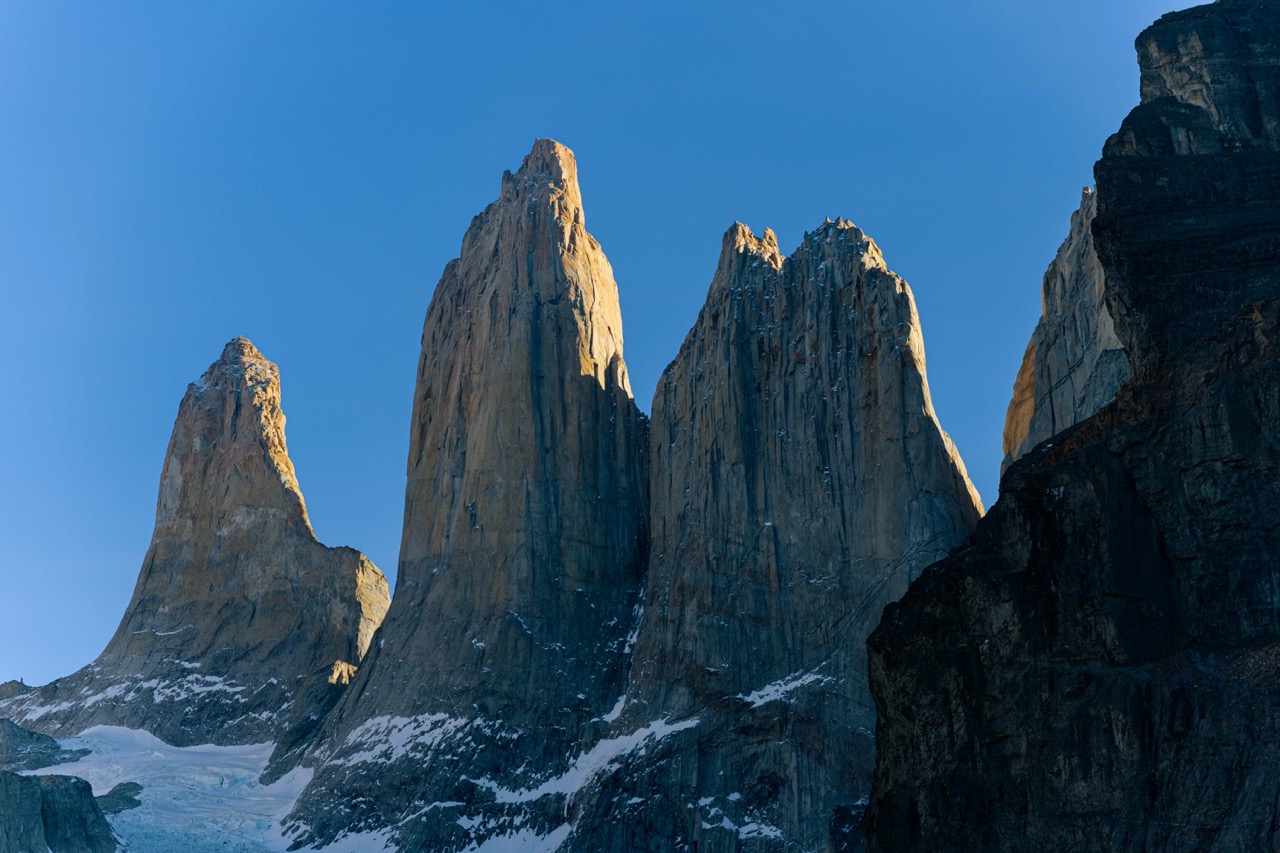
The W Trek is renowned as one of the premier multi-day hikes in Chile, located in the iconic Torres del Paine National Park. The trek is famous for its unique ‘W’ shape, which showcases the park’s most stunning highlights, including Grey Glacier, the French Valley, and the Base of the Towers. These breathtaking landscapes make the W Trek a must-do for any trekking enthusiast.
Covering a distance of approximately 76 kilometers (47 miles) over five days, the W Trek is accessible yet challenging enough to provide a sense of adventure and accomplishment. The trek typically takes between three and seven days to complete, depending on your pace and itinerary. While the trail is not technically difficult, it does involve long daily hikes, so prior hiking experience is recommended.
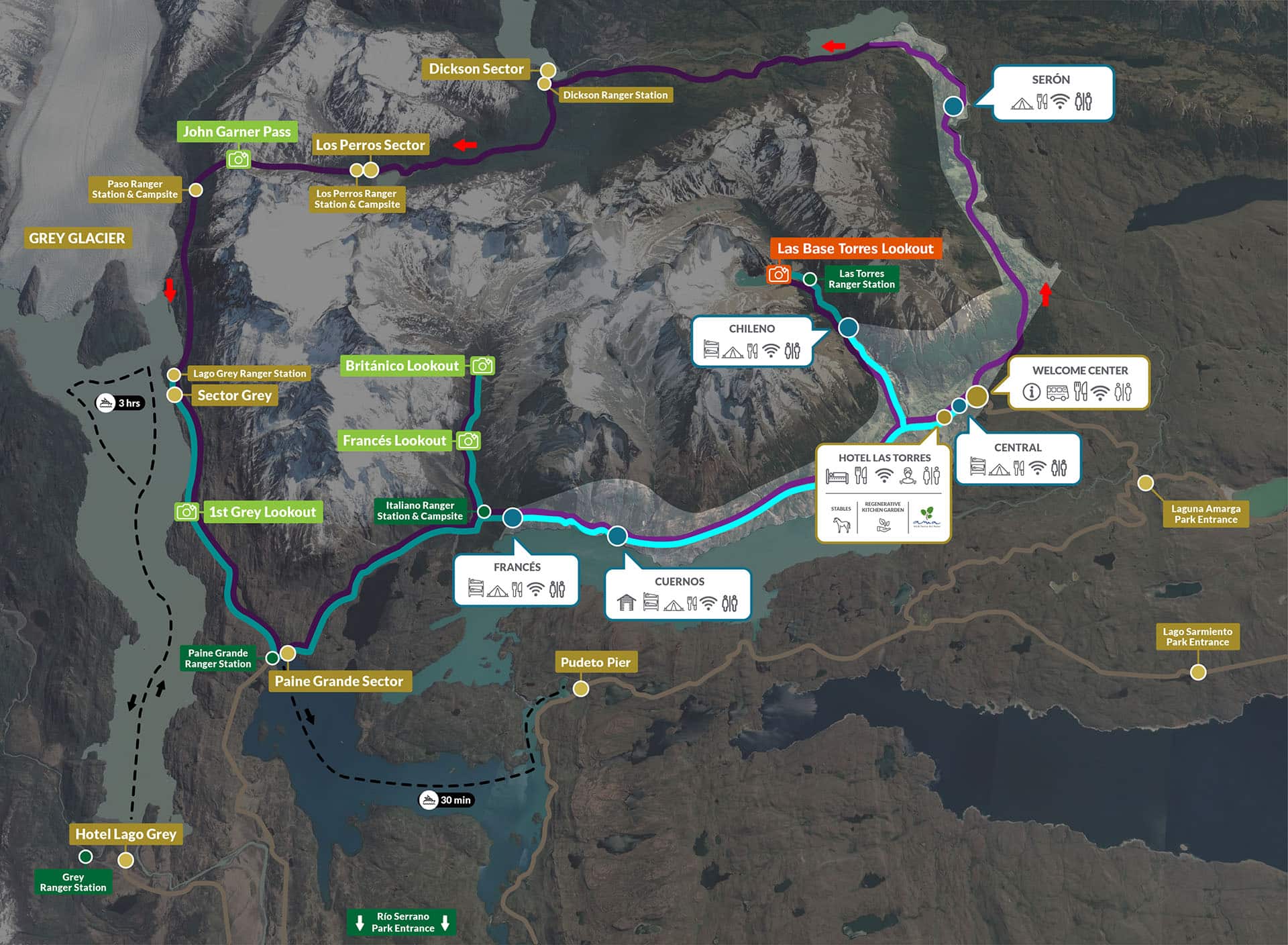
Starting at Refugio Las Torres and concluding at Refugio Paine Grande, the W Trek takes you through some of the most picturesque and diverse landscapes in Torres del Paine National Park. From the towering granite peaks of Las Torres to the expansive views of the Southern Patagonian Ice Field, each day brings new and awe-inspiring sights.
One of the trek’s most iconic viewpoints is the Base of the Towers, where you can marvel at the towering granite pillars and the stunning glacier lake below. Reaching this viewpoint is often considered the highlight of the trek, offering a sense of achievement and unparalleled beauty.
As you embark on the W Trek, you’ll find yourself immersed in a world of natural wonders. The trek hike is not just about reaching the destination but also about enjoying the journey and the spectacular scenery along the way. So, get ready to explore one of the world’s most famous trails on your trek trip and create memories that will last a lifetime.
Introduction
Proper preparation is crucial for the W Trek. Many hikers may underestimate the challenges posed by the weather and terrain during the trek. This guide provides essential information about the W Trek in Patagonia to assist hikers in planning their journey. Our goal is to equip you with comprehensive guidance to navigate the W Trek successfully.
Imagine standing at the base of the Torres del Paine mountain range, ready to embark on an adventure that promises both beauty and challenge. The W Trek hike is not just a few hours of walking; it’s a multi-day hike that requires careful planning and preparation. From securing your entrance ticket to planning your accommodations for the final night, every detail matters.
This guide provides insights into the best times to hike, how to get to the park, what to pack, and detailed daily itineraries. Whether you’re a seasoned trekker or a first-time hiker, this guide will help you make the most of your W Trek experience. Start preparing for an unforgettable adventure in Torres del Paine.
Overview of the W Trek
Renowned as one of Chile’s premier multi-day hikes, the W Trek offers an unparalleled adventure through Torres del Paine National Park. Spanning approximately 700 square miles, the park is a treasure trove of natural beauty, from its rugged mountains to its pristine lakes and glaciers.
The trek begins at Refugio Las Torres and concludes at Refugio Paine Grande, traversing three valleys that form the distinctive ‘W’ shape. Along the way, hikers will encounter some of the park’s most iconic landmarks, including the Grey Glacier and the French Valley, known for their stunning views and unique landscapes.
The W Trek usually takes between three and seven days to complete, depending on your pace and itinerary. The total distance covered is approximately 76 kilometers (47 miles), with the highest elevation point at the Towers’ base, standing at 850 meters (2,788 feet) above sea level. This combination of distance, elevation, and breathtaking scenery makes the W Trek a bucket-list adventure for hikers from around the world.
Whether you’re trekking east to west or vice versa, each day on the W Trek brings new challenges and rewards. From the dramatic landscapes of the French Valley to the awe-inspiring views of the Southern Patagonian Ice Field, the trek is a feast for the senses. Grab your trekking poles and prepare to explore one of the world’s most famous trails.
Best Time to Hike the W Trek
xr:d:DAFE57VL95k:15,j:1871655859433886243,t:23112414
The optimal period for hiking the W Trek is from December to March, when the weather is more favorable and the days are longer. However, this is also the peak season, with a significant influx of hikers during these months, particularly in January and February. If you plan to hike during this time, be sure to reserve lodges or campgrounds well in advance to secure your spot.
During peak hiking season, expect high winds, rain, and even potential snow. Typical temperatures range from 43-63°F (6-17°C), so it’s essential to pack appropriately for these conditions. Layering your clothing is crucial to staying warm, dry, and comfortable throughout your trek.
If you prefer a quieter experience, consider hiking during the shoulder seasons of spring (October-November) or fall (March-April). While the weather can be more unpredictable, you’ll encounter fewer crowds and still enjoy the stunning scenery of Torres del Paine. Just be aware that some facilities may have limited availability during these times.
Adventurous hikers choosing the winter months (April/May to August/September) should prepare for harsher conditions and fewer open refugios. Some segments of the trail can still be done as out-and-back hikes, offering a unique and serene experience in the snowy landscape.
Getting to Torres del Paine National Park
Traveling to Torres del Paine National Park typically involves a journey from Santiago to Punta Arenas, followed by a drive of about five hours to Puerto Natales. From Puerto Natales, travelers can catch a bus to the park, which is the most common method of transportation. Buses from Puerto Natales to Torres del Paine run several times daily, with early morning departures to get you to the park as soon as possible.
Tickets for the bus from Puerto Natales cost approximately CLP 14,000 (about US$15) one way, and it’s advisable to purchase them in advance to avoid delays. You can buy tickets at the main bus station or through your accommodation. Once you arrive at the park, you’ll need to have your park entry ticket ready, which can be purchased in advance on the CONAF website.
For those traveling from El Calafate in Argentina, there are bus services to Puerto Natales, followed by another bus to the park. This journey takes around 5-6 hours in total. This option provides a seamless connection between two of Patagonia’s most stunning destinations.
Remember, there are no direct buses from Punta Arenas to Torres del Paine, so you’ll need to transit through Puerto Natales. Planning your transportation in advance ensures a smooth start to your trek, allowing you to focus on the adventure ahead and the spectacular scenery that awaits.
Accommodations on the W Trek
Accommodations along the W Trek range from basic campgrounds to more comfortable refugios and luxury lodges. Depending on your preferences and budget, you can choose from:
- Designated campgrounds
- Standard camping
- Premium camping
- Cabanas
- Hotels
It’s important to book your accommodation in advance, especially during peak season when spaces fill up quickly.
The refugios provide amenities like Wi-Fi, hot showers, and meals, making them a popular choice for hikers looking for a bit more comfort. However, they are pricier than camping options and often require early booking to secure a spot.
For those seeking luxury, several lodges offer cozy private lodgings, gourmet meals, and tailored services, ensuring a comfortable and memorable trekking experience.
Refugios and Campsites
Refugios on the W Trek function as mountain huts. They serve as hostels for hikers. They provide essential amenities such as Wi-Fi for purchase, hot showers, and simple dining services, making them a convenient option for those who prefer not to carry extensive camping gear. Staying in a refugio allows you to enjoy the trek without the extra weight of tents and sleeping bags, but it’s significantly more expensive.
Booking your accommodation in advance is crucial, especially for popular sites. Spaces for booking are released in early May for sectors like Central, Chileno, Cuernos, and French, and it’s advisable to secure your spot as soon as possible. Booking Patagonia offers an integrated booking system for accommodations in Torres del Paine, simplifying the process.
For those who enjoy camping, the W Trek offers a variety of campgrounds with different levels of service. Whether you prefer standard camping or premium camping with additional amenities, you can find a campsite that suits your needs. Just remember to bring your own camping gear, including tents and sleeping bags, to ensure a comfortable night under the stars.
Luxury Lodges
For those who prefer a more comfortable and luxurious experience, several lodges along the W Trek cater to your needs. These luxury lodges provide cozy private lodgings, gourmet meals, and tailored services, ensuring you can enjoy the trek without sacrificing comfort.
Guests at luxury lodges can also enjoy day excursions to popular viewpoints and areas such as Glacier Grey and French Valley, offering a blend of adventure and relaxation. Whether you’re looking to unwind after a long day of hiking or simply prefer a higher level of service, these lodges provide an excellent option for a memorable trekking experience in Chilean Patagonia.
Packing Essentials for the W Trek
Packing for the W Trek requires careful consideration to ensure you have everything you need without carrying too much weight. It’s advisable to pack light and only bring essentials, as the total weight of your pack can significantly affect your comfort and endurance during the trek. Depending on your accommodation choices, you can either carry all your gear yourself, arrange for a pitched tent, or opt for refugios to minimize the gear you need to bring.
Essential items for the trek include thermal under-layers, fleece, waterproof outer layers, sturdy hiking boots, trekking poles, a high-volume water bottle, sunscreen, and a waterproof backpack. Additionally, important documents such as your phone, park pass QR code, accommodation printout, cash, and a portable charger should be included.
Clothing and Footwear
Water-resistant hiking boots are crucial for the W Trek’s varied terrain, offering the necessary support and protection for your feet. Trekking poles can also enhance stability and reduce the impact on your joints, making them a valuable addition to your gear.
Layering your clothing is essential to adjust to the changing weather conditions, keeping you warm, dry, and comfortable throughout the trek. If you don’t have the necessary gear, you can rent it in Puerto Natales, ensuring you have the right equipment for a successful trek.
Camping Gear
Selecting a suitable tent is crucial for comfort and safety during your camping experience on the W Trek. A 3-season tent is advisable unless you’re trekking in winter, where a 4-season tent is necessary to withstand harsher conditions.
In addition to a reliable tent, essential camping gear includes a sleeping bag, sleeping mat, and other camping equipment to ensure a comfortable night’s rest. Bringing the right gear can make a significant difference in your overall trekking experience.
Food and Hydration
When it comes to food, lightweight options such as dehydrated camping meals, couscous, oats, and summer sausage are recommended. These meals can accommodate dietary restrictions and provide the necessary nutrients for your trek.
Staying hydrated is essential, and hikers should fill up hydration packs from pristine mountain streams along the trek. To avoid carrying too much weight, pack light and include only essential clothes, gear, and food.
Day-by-Day Itinerary for the W Trek
The W Trek spans almost 50 miles with a total elevation gain of about 9,000 feet. Most travelers complete the trek in 4 days with an all-inclusive w trek itinerary covering park fees, transport, accommodation, meals, and the w trek route.
The following sections provide a detailed day-by-day trek itinerary to help you plan your trek effectively.
Day 1: Refugio Las Torres to Chileno
The first day’s hike includes an elevation gain of around 900 meters (3,000 feet). Starting from Refugio Las Torres, the terrain is moderately steep with a challenging climb, leading to stunning views of the surrounding landscape. The trail between Chileno and Las Torres consists of steep, rocky, and gravelly inclines, testing your endurance and determination.
As you ascend, you might encounter wildlife such as the Patagonian fox, adding an element of excitement to your trek. The highlight of the day is reaching the top of mirador las torres, where you can marvel at the towering granite pillars and the glacier lake below.
It takes around 2 hours to reach Camping Chileno from Hotel Las Torres, making it a manageable yet rewarding start to your journey.
Day 2: Chileno to Los Cuernos
The second day’s hike from Chileno to Los Cuernos covers a distance of 11 km (6.8 miles), typically taking about 5-6 hours. This leg of the journey offers beautiful lake vistas and undulating hills, providing a more varied and scenic experience compared to the first day.
As you trek through the Chilean Patagonia, you’ll be treated to stunning views of the surrounding landscape, making this day one of the most visually rewarding parts of the W Trek. The trail’s moderate difficulty allows you to enjoy the scenery while still making good progress towards your next destination.
Day 3: Los Cuernos to Paine Grande
The third day’s trek follows the route from Francés to Paine Grande via the French Valley, known for its dramatic landscapes and breathtaking views. Starting early, hikers should aim to begin their trek by 8 am after leaving camp.
The first leg of the trek to Italiano Ranger Station is 2 km (1.2 miles) and takes about 30 minutes. At the ranger station, hikers should leave their backpacks in racks to lighten their load for the next leg. After the first kilometer out of Italiano, the trail becomes a flat path through a pleasant forest, making the hike more enjoyable.
One of the noteworthy features during Day 3 is Mirador Britanico, offering stunning views of the surrounding peaks and valleys. This day’s trek is a highlight of the W Trek, providing a mix of challenging terrain and awe-inspiring scenery that will leave you with lasting memories.
Day 4: Paine Grande to Grey Glacier
Day 4 of the W Trek starts from Los Cuernos and culminates at Grey Glacier, specifically reaching Refugio Chileno. This leg of the trek offers some of the most spectacular views of the entire journey, with the massive Grey Glacier and the surrounding landscape providing a stunning backdrop.
Hikers can experience a glacier walk on Grey Glacier before beginning the W Trek, and kayaking options are available with a 2.5-hour kayak expedition departing daily at 9:00, 14:00, and 17:00.
The Grey Glacier ice hike typically lasts approximately 5 hours, offering a unique and unforgettable experience.
Day 5: Return to Puerto Natales
On Day 5, hikers will return to Puerto Natales, typically hiking from Grey to Paine Grande. The length of the trail from Paine Grande to Grey Glacier and back is approximately 15 miles (24 kilometers), providing a final challenge before concluding your trek.
After completing the W Trek, a common celebratory drink is pisco sours, a fitting end to a remarkable journey. Remember to have something to eat on the go for the last morning of the trek, ensuring you have the energy to make it back to Puerto Natales.
Preparing for the W Trek
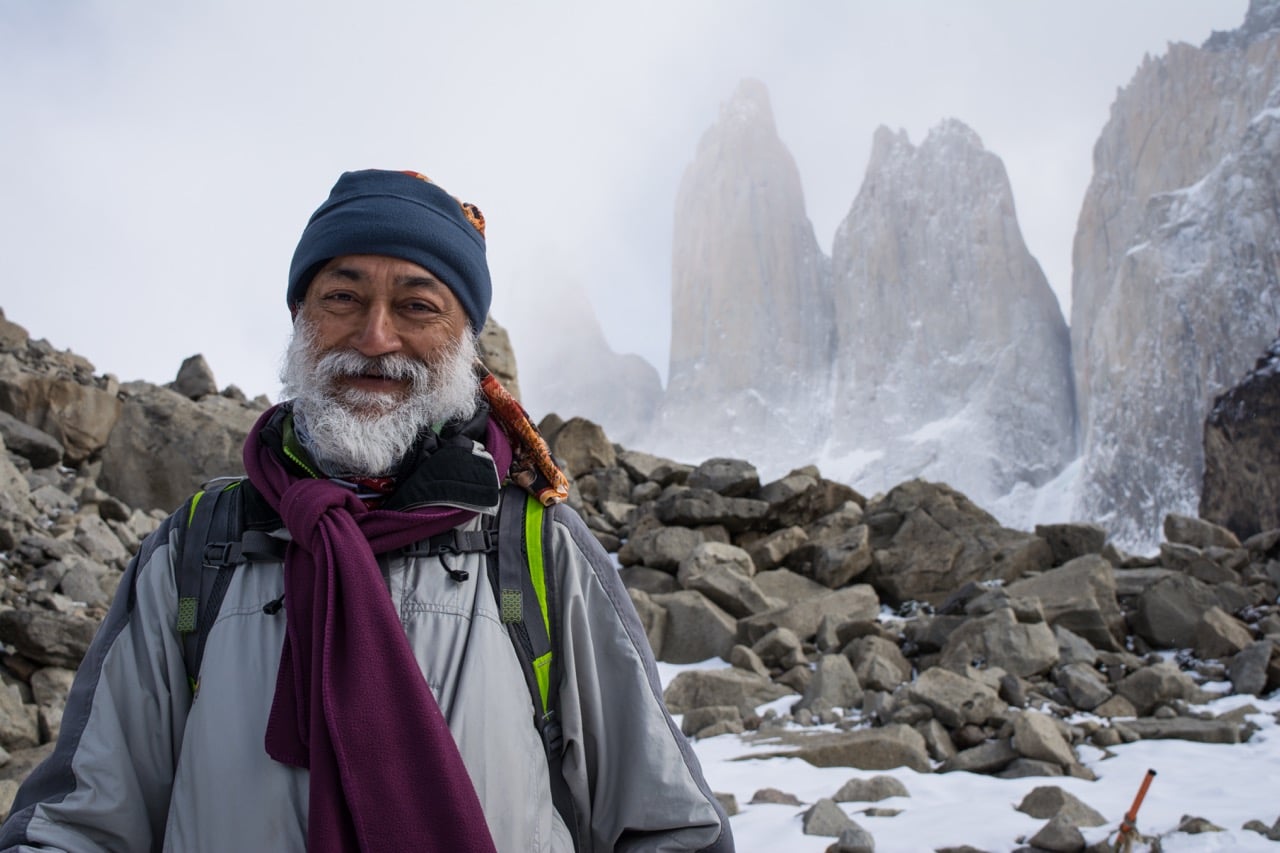
A successful W Trek requires thorough preparation, both physically and logistically. A training program should include exercises that enhance both strength and endurance, helping you build the stamina needed for the long daily hikes. Hiking on a treadmill with adjustable incline can effectively simulate the terrain of the W Trek, preparing your body for the challenges ahead.
Rest days during training are crucial for muscle recovery and reducing the risk of injury, ensuring you’re in peak condition for the trek. Practicing with your boots and packed gear helps identify any fit issues before the trek, allowing you to make necessary adjustments. For those considering the Torres del Paine Circuit, a more intensive training regimen focused on stamina is advisable.
The recommended duration for a training program before hiking the W Trek is 12 weeks, starting with local walks of 2-3 hours and short runs of a few miles. As your fitness improves, gradually increase the intensity and duration of your training sessions.
Hikers should be prepared for changing weather conditions, including rain, snow, and extreme winds. Always carry a map or a GPS device for navigation, as cell service is unavailable in the park. Additionally, having a first aid kit is essential for personal safety, as emergencies can arise during the trek.
Guided vs. Self-Guided Treks
Choosing between a guided or self-guided trek on the W Trek depends on your individual skill level and comfort with outdoor navigation. Guided hikes can reduce the stress of logistics like accommodation arrangements and meal management, allowing you to focus on enjoying the trek. Hiking with a guide can also enhance the experience by offering cultural insights and expert knowledge of the area.
Guided treks ensure safety during extreme weather conditions and provide evacuation plans for emergencies, adding an extra layer of security. Guides handle sleeping arrangements for guests, making the experience more comfortable, and offer support for local jobs.
On the other hand, self-guided trekking in Patagonia can provide a sense of independence and personal achievement. Experienced hikers seeking a challenge and solitude are well-suited for a self-guided W Trek. Self-guided hikers can choose a customizable level of support for their trek, allowing for greater flexibility and control over their itinerary.
It is possible to combine guided and unguided trekking for a more flexible experience, offering the best of both worlds. Whether you opt for a guided or self-guided trek, the key is to choose the option that best aligns with your skills, preferences, and comfort level.
Environmental Considerations
When hiking the W Trek, it’s essential to adopt Leave No Trace principles to minimize your environmental impact. These principles include packing out all trash, staying on designated trails, and respecting wildlife. Following these guidelines helps protect the pristine wilderness of Torres del Paine for future generations.
Hikers should also be mindful of their water usage and avoid contaminating natural water sources. Use biodegradable soap and dispose of wastewater at least 200 feet away from streams and lakes. Being environmentally conscious and responsible ensures your trek leaves a positive impact on Patagonia’s stunning landscapes.
Post-Trek Activities
After completing the W Trek, there are numerous activities to enjoy in and around Torres del Paine National Park. Guests at luxury lodges can indulge in spa treatments, gourmet meals, and private guided excursions to explore more of the park’s stunning viewpoints, such as Glacier Grey and French Valley. If you plan to visit Torres del Paine, these experiences will enhance your adventure.
For those seeking adventure, additional activities like kayaking, mountain biking, and horse riding can be combined with the W Trek, offering a well-rounded Patagonian experience. A popular activity after the W Trek is kayaking at Glacier Grey, which lasts for 2.5 hours and costs approximately 66,000 CLP per person.
Puerto Natales is a charming town where trekkers can unwind and enjoy local experiences after their trek. From exploring local markets to savoring traditional Chilean cuisine, there are plenty of opportunities to relax and reflect on your incredible journey through the W Trek.
Safety Tips for the W Trek
Safety is paramount when hiking the W Trek. Layer up for warmth, have a rain jacket handy, and pack gear in waterproof bags to prepare for unpredictable weather conditions. Be aware that extreme winds up to 100 mph (161 kph) can occur, making it essential to seek shelter promptly during severe weather warnings.
Utilize mapping applications for navigation along the W Trek, ensuring that you stay on track and avoid getting lost. Inform someone about your trekking route and expected return time to enhance your safety during the hike.
Always carry a first aid kit and know how to use it in case of emergencies. Familiarize yourself with the symptoms of common hiking ailments such as hypothermia, dehydration, and altitude sickness, and know how to address them. Preparation and awareness are key to ensuring a safe and enjoyable trek.
Finally, stick to the marked trails and avoid venturing into unknown areas. The beauty of the W Trek lies in its well-defined paths and stunning scenery, so there’s no need to take unnecessary risks. By following these safety tips, you can enjoy a memorable and secure hiking experience on the W Trek.
Alternatives to the W Trek
While the W Trek is one of the most popular trails in Patagonia, there are several alternatives for those seeking different experiences. The O Circuit offers a longer trek that provides a more immersive experience in the natural beauty of Patagonia. This circuit includes the same highlights as the W Trek, plus additional trails that take you deeper into the park’s remote areas.
The Q Circuit encompasses both the O Circuit and additional trails, allowing trekkers to explore even more diverse landscapes. This option is ideal for those who have more time and want to experience the full range of what Torres del Paine has to offer.
Both the O Circuit and the Q Circuit offer unique challenges and rewards, making them excellent alternatives for adventurous hikers. Whether you choose the W Trek or one of its alternatives, you’re sure to have an unforgettable trekking experience in Patagonia.
Summary
The W Trek in Patagonia is a bucket-list adventure that offers breathtaking landscapes, challenging terrain, and a sense of accomplishment that few other hikes can match. From the towering granite peaks of Las Torres to the stunning views of Grey Glacier, each day on the trek brings new and awe-inspiring experiences.
Preparing for the W Trek involves careful planning, from choosing the best time to hike and booking accommodations to packing the right gear and training for the physical demands of the trek. Whether you opt for a guided or self-guided trek, being well-prepared will ensure you have a safe and enjoyable journey.
By following this comprehensive guide, you’ll be equipped with all the knowledge and insights you need to tackle the W Trek with confidence. So, lace up your hiking boots, grab your trekking poles, and get ready to embark on an unforgettable adventure in the heart of Chilean Patagonia.
Frequently Asked Questions
How long is the W hike in Patagonia?
The W Trek in Patagonia is about 55 miles (88.5 kilometers) long, and you can adjust your itinerary to fit your needs, ranging from 4 to 7 days. It's a great way to experience the stunning scenery at your own pace!
What is the best time to hike the W Trek?
The best time to hike the W Trek is from December to March, when the weather is warm and days are longer. This summer season really enhances your hiking experience!
Do I need to book accommodations in advance for the W Trek?
Absolutely, booking your accommodations in advance is crucial, particularly during the peak season when spots can get snatched up fast. Don’t wait until the last minute!
Can I hike the W Trek without a guide?
Absolutely, you can hike the W Trek without a guide if you're comfortable navigating and have hiking experience. It's a great opportunity to enjoy the scenery at your own pace!
What should I pack for the W Trek?
For the W Trek, make sure you pack thermal under-layers, fleece, waterproof outer layers, sturdy hiking boots, trekking poles, a high-volume water bottle, sunscreen, and a waterproof backpack. Trust me, having these essentials will make your trek way more enjoyable!
###
I build your complete itinerary in a 60-minute video call. Without intermediaries.