

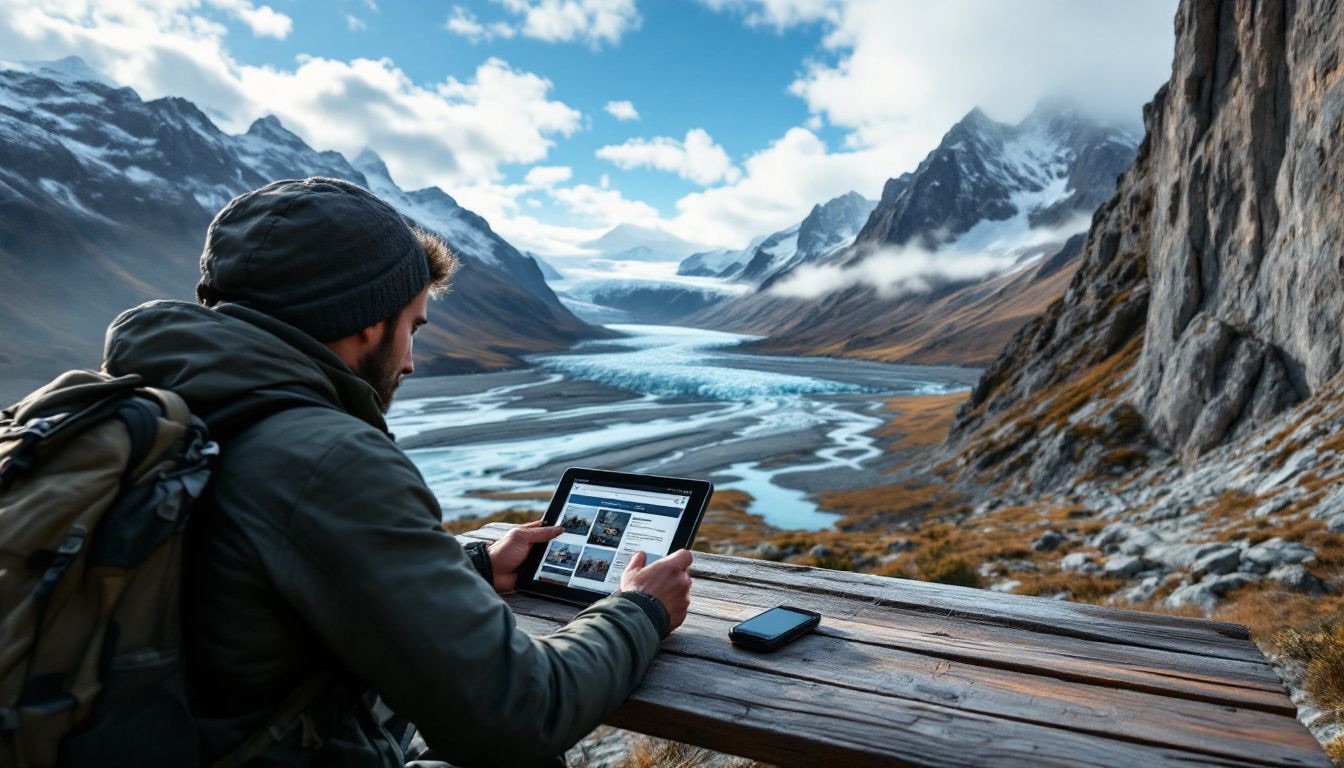
Planning a trip to Patagonia? This guide covers all you need to know about booking Patagonia - from making reservations for popular treks like the W Trek and O Circuit, to securing accommodations and understanding essential park rules. Discover tips to simplify the booking process and make the most of your adventure in this stunning region.
Key Takeaways
- Booking Patagonia simplifies travel planning by consolidating reservations and providing real-time availability, but it includes a 20% service fee and can be complex to navigate.
- Early booking is essential for securing preferred accommodations and activities, especially during peak season, as limited capacity can lead to missed opportunities.
- Direct booking through individual websites offers more flexibility and control over reservations, while also minimizing costs associated with service fees.
Benefits of Using Booking Patagonia
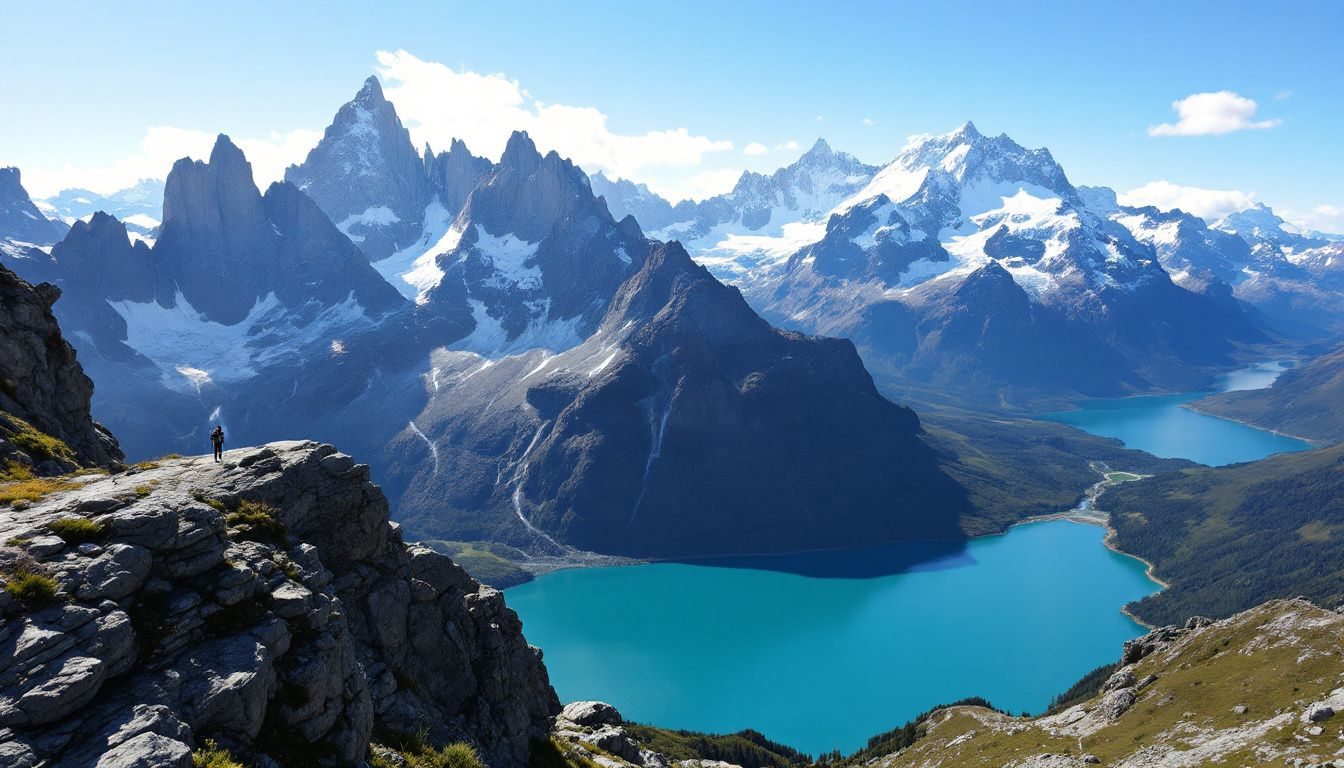
Booking Patagonia offers numerous advantages that can make planning your trip more manageable and enjoyable. A major advantage is the consolidation of all your reservations—accommodations, meals, park entrance fees, and equipment rentals—into one streamlined itinerary. This setup eliminates the hassle of managing multiple providers and provides a single confirmation, simplifying your travel experience.
Booking Patagonia offers real-time availability, allowing you to find and secure your preferred options without endless searching through different websites. The platform features pre-configured packages and personalized itineraries, enabling you to tailor your trip to your preferences and needs, including options for paine grande.
Whether booking for a solo adventure or a group tour, managing everything in one place offers unmatched convenience.
Drawbacks of Booking Patagonia
Despite its advantages, Booking Patagonia does have some notable drawbacks. A major drawback is the 15% service fee on all reservations, which can significantly increase the overall cost of your trip. The booking system can also be frustratingly complex, often requiring users to restart the process multiple times due to unavailability at chosen accommodation stops.
Additionally, the website’s user interface is not particularly intuitive, making navigation time-consuming. The lack of a calendar to view available sites and dates further complicates the planning process. If a site is unavailable, you must restart the entire booking process with a new start date, adding to the frustration.
These challenges can make the reservation process more cumbersome than expected, particularly for first-time users.
Step-by-Step Guide to Making Reservations
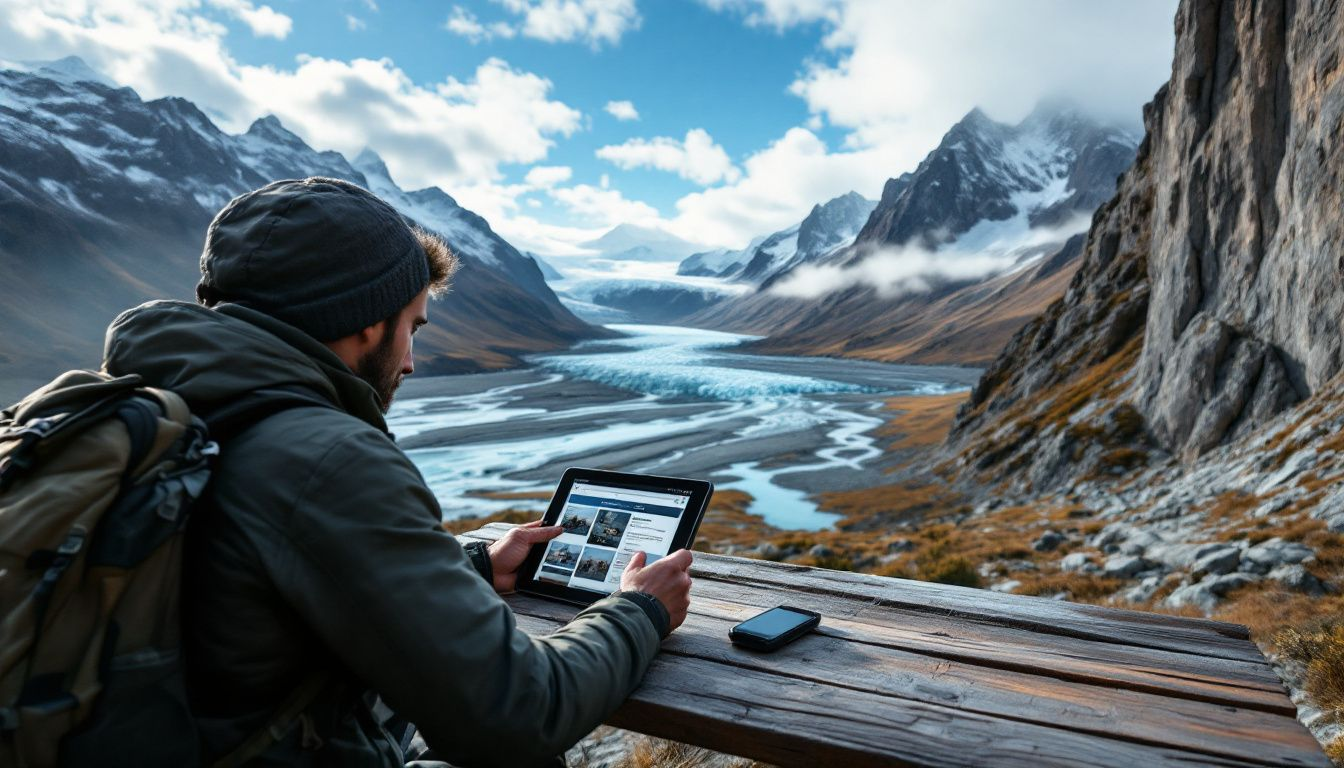
Booking reservations through Booking Patagonia is straightforward if you follow a few key steps. First, visit the Booking Patagonia home page and navigate to the reservation options under the ‘What Would You Like To Do’ section. You can choose between tour packages, pre-configured routes, or creating your own itinerary. Have your personal details ready, such as your name and passport number, as these are required during the booking process.
Next, check availability on your preferred dates. If unavailable, adjust your start date to find suitable options. Double-check the detailed quote, which includes all expenses like transfers, excursions, and accommodations. This helps you understand the total price and what is included in your package, such as service fees and park entrance fees.
If you encounter issues during the booking process, use the chat feature in the bottom right corner for assistance. For those planning to trek the O Circuit or W Trek, reservations can also be made through the Vertice Patagonia and Las Torres Patagonia websites.
These steps help ensure a smooth and efficient booking experience.
Personal Experience with Booking Patagonia
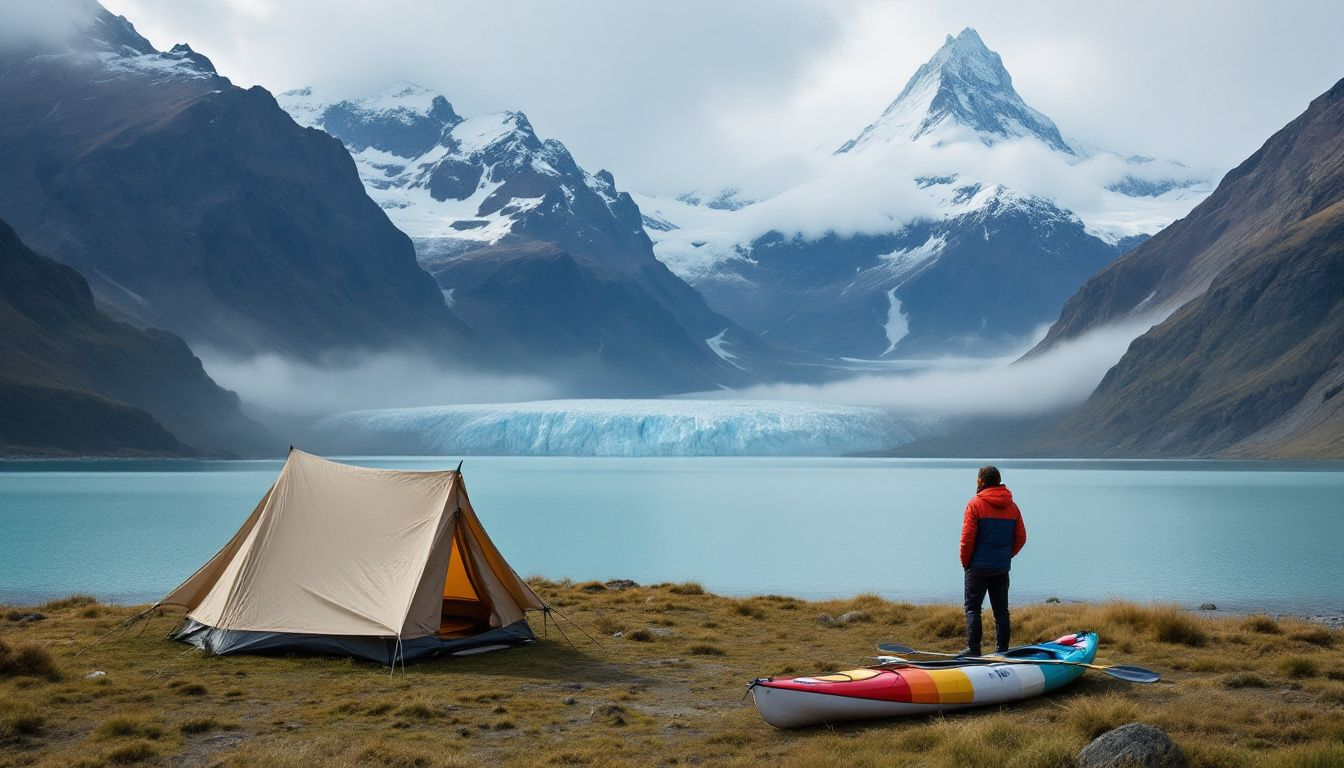
My experience with Booking Patagonia was not smooth. The process was messy, as part of the trek was booked through Booking Patagonia and part through Vertice, adding to the confusion.
I encountered several difficulties, including:
- The inability to change booking dates once the process had started
- The need to restart the booking multiple times due to unavailability
- Requesting changes to the booking proved challenging, as I was informed it was too late to make any alterations.
Despite receiving email confirmations for changes, these were not always reflected in the actual booking confirmation. The initial plan was to follow the traditional 8-day O Circuit starting from Laguna Amarga, but due to the complications, I incurred an extra cost of $200 USD from re-booking Vertice stops, significantly impacting my budget.
This experience highlighted the need to thoroughly understand the booking system before starting the process.
Recommendation Based on Experience
I recommend browsing the Vertice and Las Torres websites before booking to better understand your options. I found that a guide was not necessary during my O Circuit trek, which allowed for more flexibility and independence.
Be prepared for potential challenges with customer service, as my refund request to Vertice went unanswered.
Direct Booking Alternatives
Direct booking options through individual websites like Vertice Patagonia and Las Torres Patagonia provide convenient and flexible alternatives to Booking Patagonia. These platforms allow you to make various reservations, including campsites, refugios, meals, park entrance fees, bus services, and equipment rentals, all through a single platform.
While free campsites are no longer available, these direct booking options can still offer a streamlined way to plan your trip.
Important Considerations When Booking Early
Booking your Patagonia trip early is key to securing desired accommodations and activities. Early reservations allow travelers to align their plans with transportation and guide availability, enhancing the overall experience. Lodges and campsites in remote areas like Torres del Paine often have limited capacity, making early reservations vital.
During peak season, December through February, securing accommodations without early booking can be particularly challenging. Not booking early can lead to frustration and missed opportunities for preferred trips. Start planning at least six months to a year in advance to ensure access to the best resources and experiences.
Popular Trips to Book in Advance

Among Patagonia’s many adventures, the W Trek is the most popular and iconic. Typically completed in 3-5 days, this o trek requires advance booking due to high demand.
Planning ahead ensures you don’t miss out on this incredible experience.
How to Secure Accommodations in Torres del Paine
Securing accommodations in Torres del Paine requires navigating multiple platforms and understanding the available options. Options range from official campsites and mountain huts to lodgings offered by Vertice Patagonia and las torres patagonia campsites. Reservations for campsites are mandatory and must be made in advance, particularly during peak months. If you plan to visit torres del paine, be sure to book early.
To book campsites, visit three different websites: CONAF, Vertice Patagonia, and Fantástico Sur. Vertice Patagonia campsites offer equipment rentals and meal options for added convenience. Basic amenities include bathrooms and cooking areas, with some campsites offering restaurants or minimarkets.
Choosing accommodations within the park maximizes your time exploring rather than commuting. Securing these spots can be challenging due to regulated visitor numbers and competition for bookings. Planning ahead and understanding the booking process ensures a smooth experience.
Understanding Torres del Paine Park Rules
Adhering to the rules of Torres del Paine National Park is crucial for a safe and enjoyable experience. Visitors must reserve campsites online at least a day before entering the park. Designated campsites are operated by Vertice Patagonia and Las Torres Patagonia, and wild camping is strictly prohibited.
Open fires are not allowed anywhere in the park to prevent forest fires and protect the environment. Cooking stoves are also not permitted at the Chileno campsite due to high fire risk. Following these rules preserves the park’s natural beauty and ensures a safe visit for everyone.
Travel Insurance for Patagonia Adventures
Comprehensive travel insurance is essential for any adventure in Patagonia. A good policy covers trip cancellation, emergency medical evacuation, and baggage loss protection. Selecting insurance with a Cancel For Any Reason (CFAR) option is advisable for added flexibility.
A Medical Evacuation policy should cover at least $50,000 to ensure safe transport in case of medical emergencies. Travel protection plans safeguard against non-refundable expenses and provide emergency medical coverage during your trip, offering peace of mind in this remote region.
Preparing for Your Trek: Gear and Supplies
Preparing for a trek in Patagonia requires careful consideration of gear and supplies. Bring equipment suited for changing weather conditions, including waterproof clothing and sturdy footwear. Patagonia Provisions offers various camping foods, such as dried fruits and nuts, ideal for trekking.
Dehydrated meals from companies like Patagonia Provisions focus on organic and sustainable options, available on their website or select outdoor retailers. Having the right camping gear and supplies ensures comfort and nourishment throughout your trek.
Best Time to Visit Patagonia
The best time to visit Patagonia depends on your preferences and desired experiences. Peak visiting months are between November and March, offering warmer weather and longer daylight hours. Visiting during September and October allows travelers to experience spring while avoiding busy tourist spots.
Mid-November to mid-December features fewer visitors and vibrant blooms, ideal for nature enthusiasts. April and May offer a chance to admire stunning autumn leaves while escaping larger crowds.
Each season offers unique benefits, so consider your priorities when planning.
Getting to Your Trek Starting Point
Reaching the starting points of popular treks in Patagonia requires careful planning. Buses from Puerto Natales to Laguna Amarga run regularly throughout the day, typically taking about two hours. Direct shuttles may also be available for travelers heading to Hotel Las Torres.
Alternatively, taxis and private transfers can be arranged from Puerto Natales to the park entrance. For those seeking an extra challenge, the 7km walk to the starting point of the O Circuit takes about two hours.
Understanding your transportation options ensures a smooth start to your trek.
Budgeting for Your Trip
Budgeting for a trip to Patagonia requires careful planning due to its remote location and high costs. Daily expenses for a budget traveler can average around $50, including accommodation, food, and transport. The entrance fee for Torres del Paine is $50, and transport costs, such as the bus from Puerto Natales to Laguna Amarga, can add up quickly. Longer bus journeys in Argentina may cost around $4.5 per hour, which can significantly impact your budget.
Camping in Torres del Paine is a budget-friendly option, with costs ranging from $7.50 to $20 per person. For those preferring more comfort, hostales and residenciales offer private rooms starting from $23 per night, while dormitory-style hostels range from $12 to $26 per person.
Opting for self-catering can also help save money, as dining out can be expensive due to the remote location. Planning and budgeting early can help manage these costs effectively.
Combining Multiple Trips into One Tour
Combining multiple trips into a single, extended tour of Patagonia can be a rewarding way to explore the region’s diverse landscapes and experiences. Planning a combined tour involves careful consideration of logistical aspects, timing, and personal interests to create a well-rounded experience. For instance, you can merge the W Trek with day hikes around El Chaltén or visit the Perito Moreno Glacier in Argentina.
Exploring different itineraries and routes helps maximize your experience during your 2-3 week adventure in Patagonia. This approach allows you to see more of the region without the hassle of returning to your starting point multiple times. By carefully planning and booking in advance, you can create an itinerary that covers all the highlights while ensuring a smooth and cohesive journey.
Special Occasions and High-Demand Periods
During special occasions and high-demand periods like Thanksgiving, Christmas, and New Year, booking early is crucial due to limited availability and higher prices. For Christmas and New Year trips, planning should ideally start 1-2 years in advance to secure the best accommodations and activities.
Additionally, it is advisable to book bus tickets in advance during the peak trekking season to avoid disruptions.
Protecting Patagonia's Environment

Protecting Patagonia’s environment is essential to preserve its breathtaking scenery and unique ecosystems. Regulating the number of visitors helps mitigate environmental impact and supports the recovery of natural resources. Limiting visitor numbers minimizes stress on fragile ecosystems, allowing them to recover more effectively and ensuring that the natural beauty of the region remains intact for future generations.
Specific measures, such as the closure of access to certain glaciers like the Exploradores Glacier, reflect the need to balance visitor safety with environmental conservation. Adhering to park rules, such as prohibiting wild camping and open fires, also plays a crucial role in protecting the environment.
As visitors, it’s our responsibility to follow these guidelines and minimize our impact on this pristine landscape.
Summary
Planning a trip to Patagonia requires careful consideration and early booking to ensure a smooth and enjoyable experience. Using Booking Patagonia can simplify the process by consolidating all reservations into a single itinerary, although it comes with its own set of challenges. Understanding the benefits and drawbacks, along with following a step-by-step guide, can help navigate the booking system effectively.
By preparing adequately with the right gear, booking early, and considering environmental protection, travelers can enjoy the stunning beauty of Patagonia while minimizing their impact. Whether you’re embarking on the W Trek, exploring Torres del Paine, or combining multiple trips into one tour, this guide provides the necessary insights to plan an unforgettable adventure in 2024.
Frequently Asked Questions
Why should I use Booking Patagonia?
Using Booking Patagonia streamlines your travel experience by consolidating all reservations into one itinerary, ensuring convenience and real-time availability for accommodations, meals, and transportation. This makes planning your trip simpler and more efficient.
What are the drawbacks of using Booking Patagonia?
Booking Patagonia has drawbacks such as a 15% service fee, a complex booking process, and the inconvenience of having to restart the reservation if accommodations are unavailable. These factors can make the booking experience less efficient and potentially more costly.
How early should I book my Patagonia trip?
Booking your Patagonia trip at least six months to a year in advance is crucial, particularly during peak seasons, to ensure you secure your desired accommodations and activities.
What are the best times to visit Patagonia?
The best times to visit Patagonia are from November to March for peak conditions, while the shoulder seasons of mid-November to mid-December and April to May provide fewer crowds and stunning scenery.
What gear do I need for trekking in Patagonia?
For trekking in Patagonia, you will need waterproof clothing, sturdy footwear, and sustainable food options such as dehydrated meals. This gear is crucial to ensure your comfort and safety during the trek.
###
I build your complete itinerary in a 60-minute video call. Without intermediaries.