

Are you considering travel to Patagonia? This guide will provide you with essential information to plan a memorable trip. From the best time to visit and how to get there, to top destinations and must-do activities, we cover everything you need to know for your adventure in this stunning region.
Key Takeaways
- The best time to visit Patagonia for outdoor activities is during the summer months (December to February), but shoulder seasons offer a quieter experience with stunning landscapes.
- Getting to Patagonia can be done efficiently by flying into key airports like El Calafate or Punta Arenas, or alternatively, through overland travel via buses or rental cars.
- Packing wisely for Patagonia is crucial due to its unpredictable weather; essentials include quick-drying clothes, waterproof gear, and hiking accessories to ensure a comfortable trip.
Best Time to Visit Patagonia

Timing can make or break your trip to Patagonia. The region’s weather is notoriously unpredictable, but each season offers its own unique charm.
Exploring the hiking trails of Torres del Paine or the massive glaciers of Los Glaciares National Park requires knowing the best time to visit Patagonia to maximize your adventure.
High Season (Summer)
Summer is the peak tourist season in Patagonia, attracting the most visitors. During these months, which span from December to February, the region enjoys good weather with mild temperatures averaging below 70 degrees, minimal rainfall, and strong winds. This is the best time for outdoor activities, including hiking in Torres del Paine National Park, where many trails are open and accessible.
However, the high season also means crowded trails and refugios, so booking bus tickets and accommodations in advance is recommended. Despite the crowds, the long daylight hours and pleasant weather make it worth the extra planning.
Shoulder Seasons (Spring and Fall)
If you prefer a quieter experience, consider visiting Patagonia during the shoulder seasons of spring (September to November) and fall (March to May). These periods offer a more serene experience with fewer tourists, allowing you to fully immerse yourself in the stunning landscapes. Fall, in particular, is notable for its vibrant foliage, presenting a picturesque landscape that is both breathtaking and tranquil.
Traveling during these seasons not only means fewer crowds but also offers a unique Patagonia experience rich in natural beauty and tranquility.
Low Season (Winter)
While winter in Patagonia (June to August) presents unique challenges, such as colder temperatures and limited access to some areas due to snow, it also offers a different kind of adventure. The low tourist season means you can enjoy the beauty of Patagonia’s snow-capped mountains and frozen lakes without the crowds.
However, be prepared for potential closures and pack accordingly for the cold weather.
How to Get to Patagonia
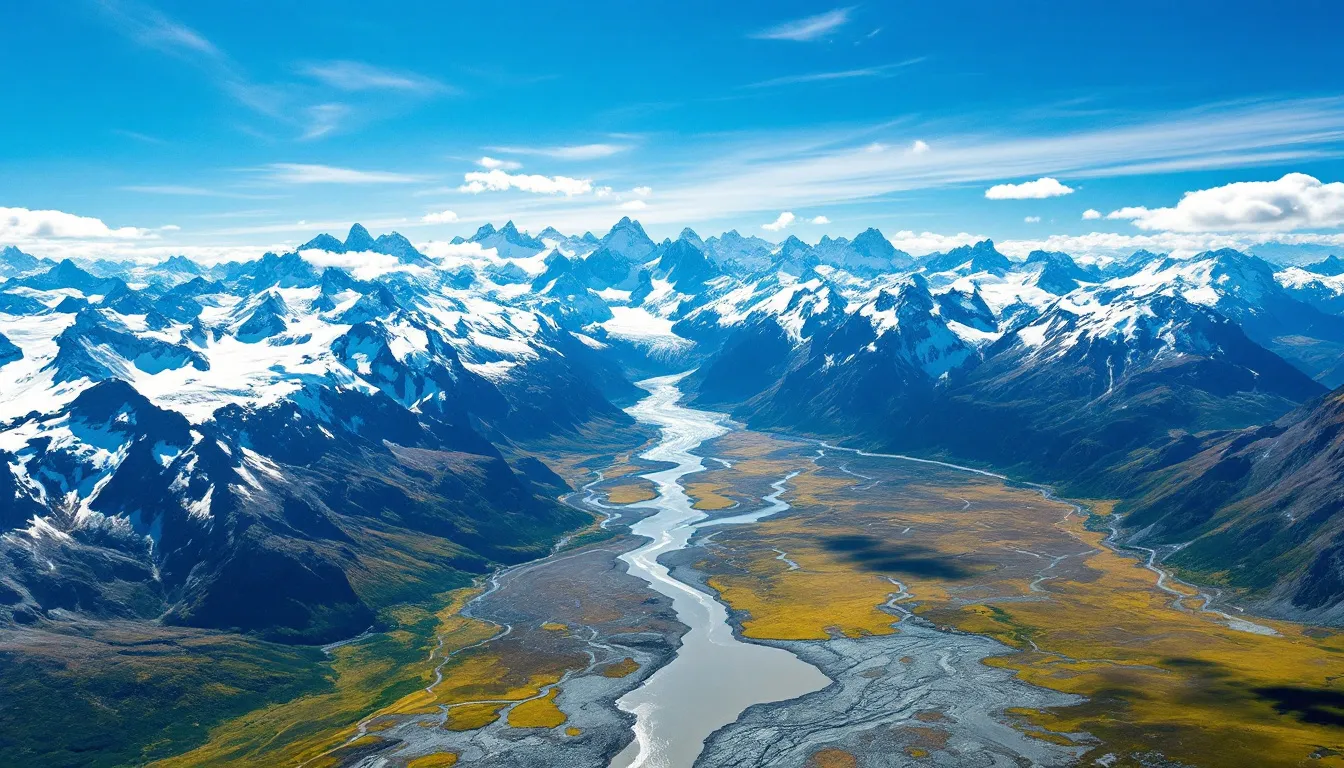
Getting to Patagonia requires some planning, but the journey is part of the adventure. Whether you choose to fly or travel overland, there are several ways to reach this remote and stunning region.
Knowing your options will help you navigate this vast landscape efficiently.
Flying to Patagonia
Flying is generally the most efficient way to reach Patagonia. The main entry points are El Calafate in Argentina, Punta Arenas in Chile, and Ushuaia in Argentina. El Calafate is recommended as the primary airport for travelers due to its proximity to major attractions like the Perito Moreno Glacier. Flights from Santiago to Punta Arenas take approximately three and a half hours, making it a convenient option for those traveling from Chile.
Booking flights to Patagonia at least six months in advance during the peak season helps secure the best rates. Sky Airlines generally offers more affordable fares compared to LATAM for internal flights in Chile.
For travel within Argentina, fly into Buenos Aires first, then take an Argentinian airline to El Calafate. Good flight deals can often be found on websites like Skyscanner and booking.com.
Overland Travel
For those who have the time and enjoy slow travel, overland options like buses or rental cars can be a great way to see more of Patagonia. However, be aware that roads are often unpaved and can be challenging to navigate; extra insurance may be needed for rental cars when crossing borders.
Buses between Puerto Natales and El Calafate operate daily during the high season, making it a convenient option. Just remember to arrive at the bus station at least 30 minutes early to ensure you get a seat.
Internal Flights and Bus Schedules
Internal flights and buses are essential for exploring Patagonia efficiently. Buses are cost-effective, especially for shorter distances. For example, the bus schedule from Torres del Paine to Puerto Natales includes departures at 3:00 pm, 8:15 pm, and 8:20 pm, giving you flexibility in your travel plans.
Booking bus tickets to Torres del Paine in advance, particularly during the busy season, is recommended. Using buses instead of flights can save money and allow you to experience the scenic routes of Patagonia.
Getting Around Patagonia
Navigating Patagonia requires careful planning due to its vast and remote nature. Whether you choose to rent a car, use public transport, join organized tours, or even hitchhike, each option offers its own set of advantages and challenges.
Rental Car vs. Public Transport
Renting a car in Patagonia offers freedom and convenience, allowing travelers to explore at their own pace and access remote attractions that public transport may not serve. However, public buses, known for being comfortable and reasonably priced, are popular among budget-conscious travelers. Buses operate regularly between major points like Puerto Natales and El Calafate, providing a viable option for navigating the region.
Although cheaper, taking the bus generally takes longer compared to driving, but they feature good reclining seats for comfort. A bus ride from Puerto Natales to Torres del Paine takes at least 2 hours each way, influencing itinerary planning.
Organized Tours and Day Trips
Organized tours are beneficial for those unfamiliar with the area, offering structured itineraries and local expertise. Many travelers opt for guided day trips in Patagonia, including activities like trekking and kayaking.
For independent travelers who prefer to organize their trips, a consulting service is available where, in a 1-hour video call, the destination is explained and an itinerary is put together.
Independent travelers might consider using this consulting service to gain valuable insights and ensure a well-planned adventure.
Hitchhiking and Backpacking
Hitchhiking is considered a safe and common way to travel around Patagonia, appealing to adventurous travelers. This method allows for spontaneous exploration and meeting fellow travelers along the way. The W Trek is a popular backpacking trail, offering breathtaking views and a rewarding experience for those who undertake it.
Backpacking through Patagonia’s national parks allows you to immerse yourself in the region’s natural beauty and experience its diverse landscapes in the Andes Mountains up close.
Top Destinations in Patagonia
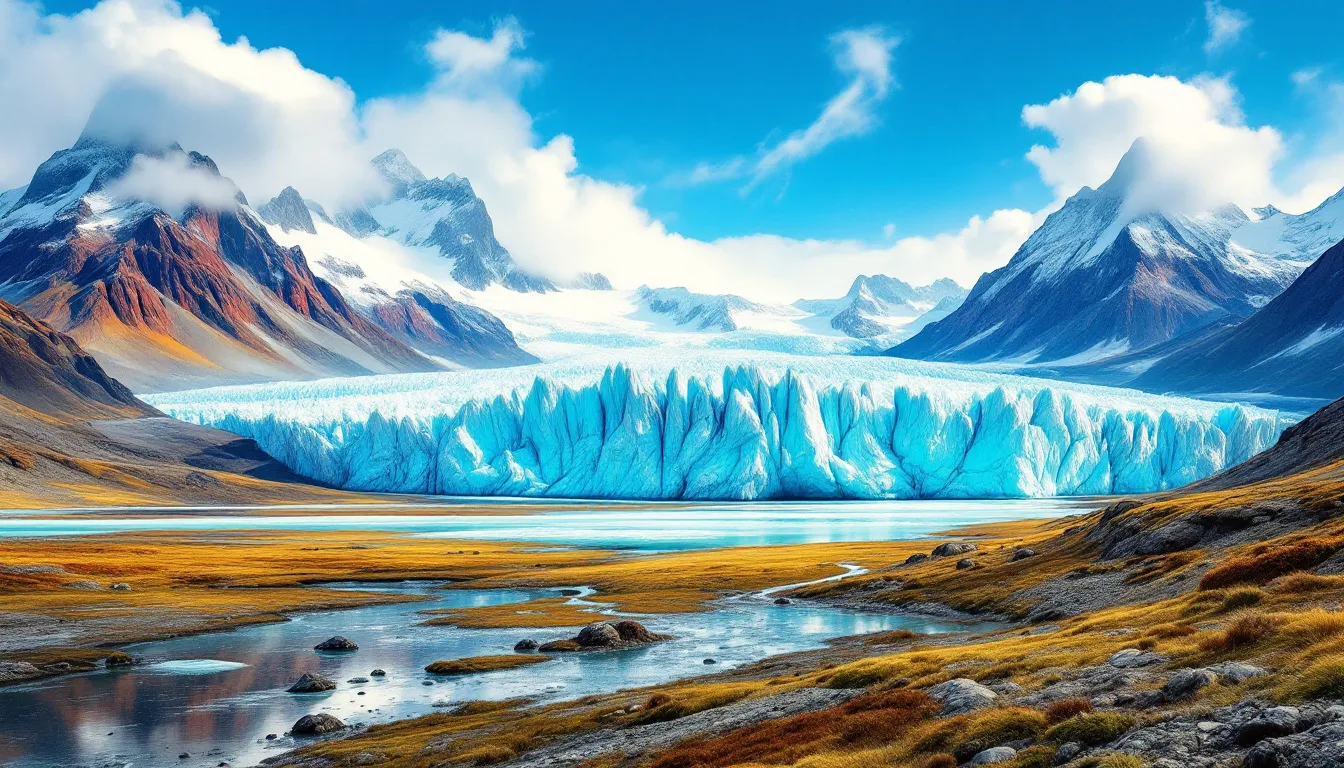
Patagonia is a region of unparalleled natural beauty, spanning both Chile and Argentina. From towering peaks and massive glaciers to remote wilderness and vibrant wildlife, the top destinations in the Patagonia region offer something for every type of traveler.
Torres del Paine National Park
Torres del Paine is one of the most iconic national parks in South America, renowned for its long-distance trails, notably the 69km W-Trek and the 113km Circuit. The W Trek, considered one of the world’s great treks, typically takes around 5 days to complete. Various types of accommodations are available, catering to different travel styles and budgets, including mountain huts and glamping options.
Camping in Torres del Paine is accessible even for those without their own gear, making it an option for many travelers. The entrance fee is approximately $32 USD for foreigners, helping maintain the park’s pristine condition.
Los Glaciares National Park
Los Glaciares National Park in Argentina is home to the famous Perito Moreno Glacier and the grey glacier, a UNESCO World Heritage site known for attracting many visitors. A range of tours, including boat cruises and hiking tours, offers various ways to experience this natural wonder.
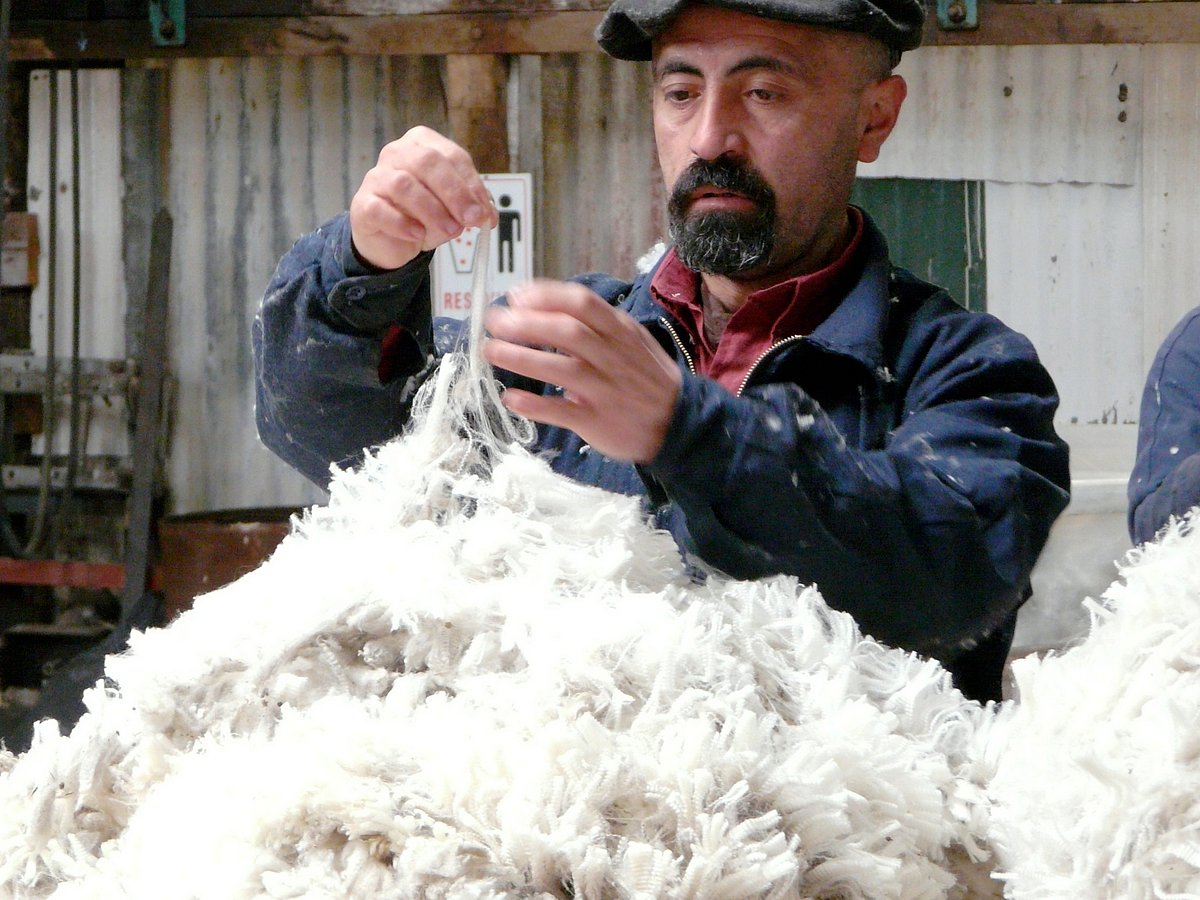
Other attractions include Estancia Nibepo, where visitors can witness traditional activities like sheep shearing and enjoy a traditional asado. Accommodations like Helsingfors Lodge provide a comfortable base between El Chaltén and El Calafate.
Tierra del Fuego
Tierra del Fuego, the southernmost tip of South America, is known for its remote wilderness and the city of Ushuaia, often referred to as the “End of the World.” This region offers unique trekking opportunities without the crowds, allowing for a more intimate experience with nature.
Australis cruises run from September to April, connecting Punta Arenas and Ushuaia for 4 to 8 nights, offering a luxurious way to explore this remote area.
Essential Activities in Patagonia
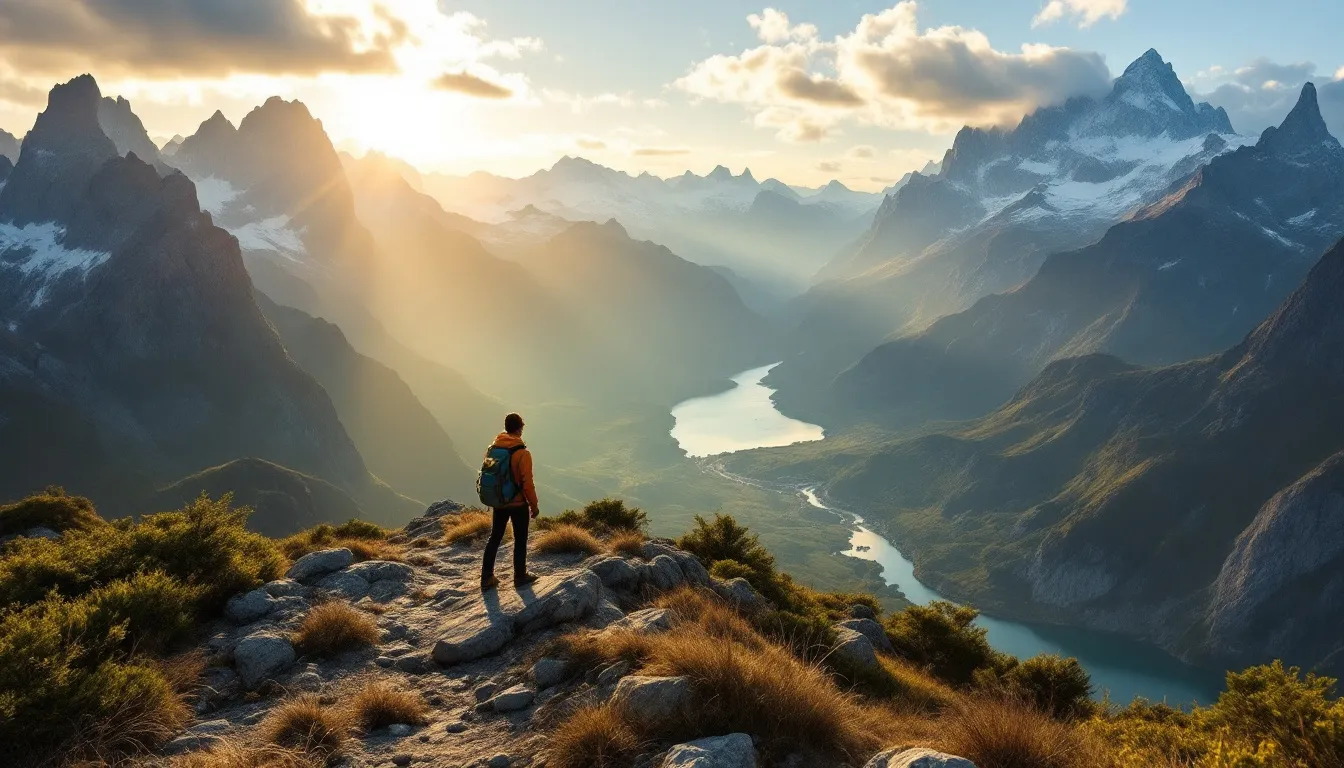
Patagonia offers a plethora of activities for outdoor enthusiasts. From hiking and trekking to wildlife watching and water-based adventures, there’s no shortage of ways to immerse yourself in the stunning landscapes of this region.
Hiking and Trekking
Hiking and trekking are among the most popular activities in Patagonia. The region is home to several renowned trails, notably the W Trek and Laguna de los Tres. El Chaltén serves as a base for numerous day hikes in Los Glaciares National Park, offering access to stunning views of the Fitz Roy mountain range. Laguna de Los Tres is considered the best day hike in El Chaltén, providing breathtaking views and a rewarding experience.
For those with limited time, day hikes in Torres del Paine National Park are an excellent option, allowing you to experience the park’s beauty without committing to a multi-day trek.
Wildlife Watching
Patagonia offers remarkable opportunities to see marine wildlife, including whales and penguins on cruises. Birdwatching is also popular, especially in areas like the Lake District, where you can see Andean condors, guanacos, and unique wildlife such as the Huemul deer.
Key locations for wildlife sightings include Peninsula Valdés for marine life and Perito Moreno National Park for diverse species.
Water-Based Activities
Kayaking is a popular water-based activity in Patagonia, allowing you to explore remote areas, including fjords and glacial rivers. Fishing opportunities are also abundant, with the chance to target trout, salmon, and even carp in various water bodies.
What to Pack for a Patagonia Trip
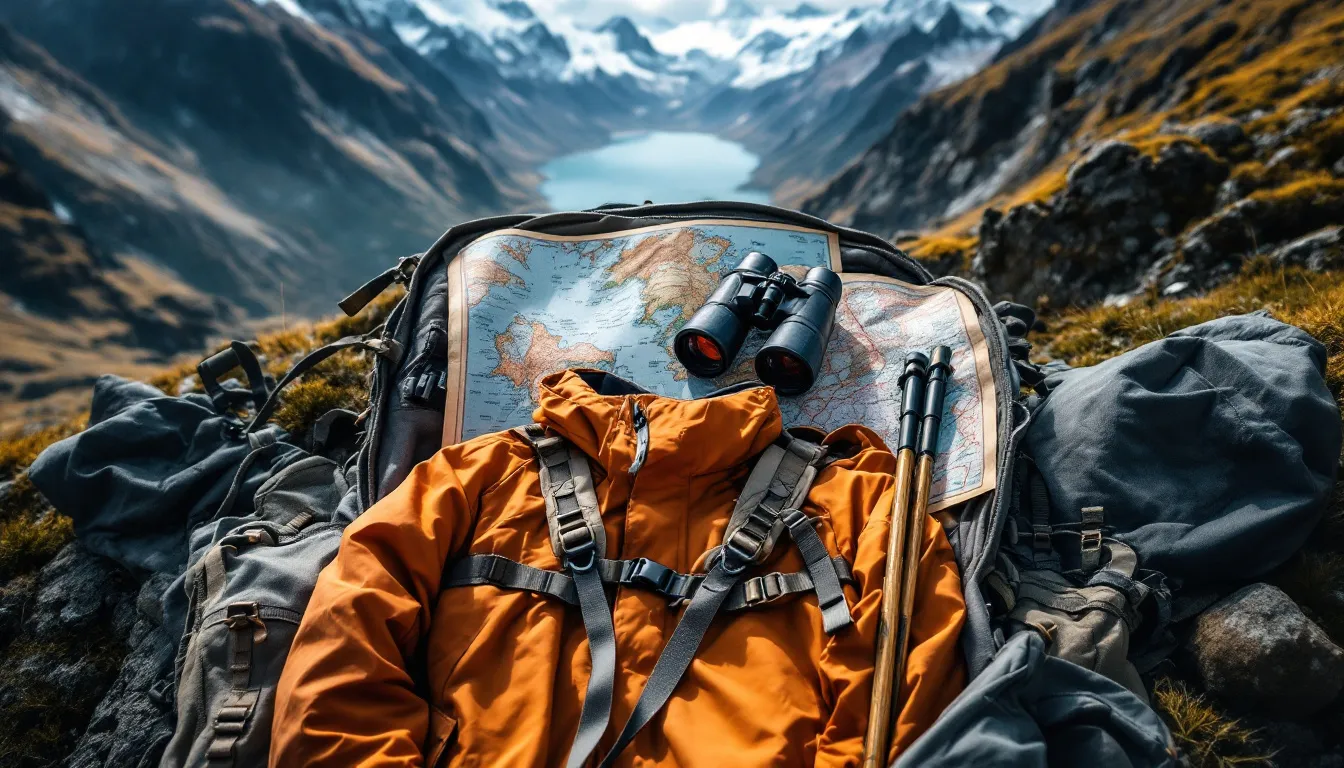
Packing for Patagonia requires careful consideration due to the region’s unpredictable weather and diverse activities. From clothing and footwear to hiking gear and travel essentials, having the right items ensures a comfortable and enjoyable trip.
Clothing and Footwear
Quick-drying fabrics are recommended for both base layers and hiking trousers to maintain comfort during hikes. Waterproof hiking boots are essential to keep feet dry on muddy and rocky trails, providing necessary ankle support for tough terrain.
Hiking Gear and Accessories
A waterproof jacket is necessary to protect against Patagonia’s unpredictable weather conditions. Trekking boots provide comfort and stability on rugged trails in the region. Trekking poles are beneficial for stability and support during hikes in rugged terrains.
Camping food and backpacking supplies can be conveniently purchased in Puerto Natales, making it easy for hikers to stock up before their adventures.
Travel Essentials
Sunscreen and sunglasses are crucial for protection against UV rays, especially during outdoor activities.
Being well-prepared with the right travel supplies ensures a more enjoyable and memorable adventure in Patagonia.
Budgeting for Your Patagonia Adventure
Traveling in Patagonia can be quite expensive due to its remote location and high demand for lodging and activities. However, with careful planning and budgeting, you can enjoy this magical place without breaking the bank.
Accommodation Costs
Dormitory-style hostels in Patagonia can cost between $12 and $26 per person. Camping is one of the most economical lodging options, with prices starting around $8 USD. Matices Hostel in El Calafate offers beds for $70 per person per night in a mixed dorm room, while a double room at Hostel El Patagonico in Puerto Natales costs $62 per night.
In El Chaltén, there are plenty of hostels and hotels, making it relatively easy to find accommodations. These options are well-located, providing easy access to key hiking trails and local sites.
Food and Dining
Buying groceries and snacks ahead of time can save travelers on food costs while visiting Patagonia. Self-catering can be cost-effective, though many accommodations may not have cooking facilities.
Dining in mid-range restaurants can cost around $23 USD for a main dish and drink.
Activity Expenses
When planning your trip to Patagonia, budget for various activity expenses, which can significantly impact your overall travel costs.
Expect costs for popular activities like guided tours, park entrance fees, and equipment rentals to vary widely based on the type and location of the activity.
Cultural Tips for Visiting Patagonia
Understanding and respecting the local culture and traditions will enhance your travel experience in Patagonia. From language and communication to local etiquette and cuisine, these tips will help you connect more deeply with the region.
Language and Communication
It’s not necessary to know Spanish when visiting Patagonia, but having basic phrases can be helpful. Knowing basic Spanish phrases can enhance your travel experience by making interactions more meaningful, though English is widely spoken in populated areas.
Local Etiquette
Spanish is the primary language spoken in Patagonia, but various languages like Welsh and Mapuzugun reflect its diverse history.
Respecting indigenous cultures is important when interacting with the Mapuche and Yaghan communities.
Food and Drink
Patagonian cuisine is diverse, featuring a range of restaurants offering asado, vegetarian, and gourmet options. Common ingredients in Patagonian cuisine include white strawberries, rhubarb, seaweed, Patagonian honey, guanaco, and Patagonian hare. Seafood is popular, with dishes like South American king crab, snook-and-hake ceviche, and choritos (mussels).
In Puerto Natales, visitors can enjoy local specialties such as alfajores, empanadas, and various desserts.
Summary
Patagonia is a land of stunning beauty and adventure, offering something for every traveler. From the best times to visit and how to get there, to must-see destinations and essential activities, this guide has covered it all. Whether you’re hiking the trails of Torres del Paine or marveling at the glaciers of Los Glaciares, Patagonia promises an unforgettable experience. So pack your bags, plan your trip, and get ready to embark on the adventure of a lifetime. Happy travels!
Frequently Asked Questions
What is the best time to visit Patagonia?
The best time to visit Patagonia is during the summer months from December to February for optimal weather, but don’t overlook the spring and fall for fewer crowds and stunning scenery.
How do I get to Patagonia?
You can easily get to Patagonia by flying into either El Calafate in Argentina or Punta Arenas in Chile. From there, you can explore the region by bus or rental car.
What are the top destinations in Patagonia?
If you're looking to explore Patagonia, don't miss Torres del Paine National Park, Los Glaciares National Park, and Tierra del Fuego—each one is a gem with stunning landscapes and adventures waiting for you!
What should I pack for a trip to Patagonia?
You'll want to pack quick-drying clothes, waterproof hiking boots, a waterproof jacket, trekking poles, sunscreen, and sunglasses. The weather can be unpredictable, so be ready for anything!
How can I budget for a Patagonia trip?
To budget for your Patagonia trip, focus on accommodation, food, and activities, and consider camping and public transport to save money. Traveling during shoulder seasons can also help keep costs down.
###
I build your complete itinerary in a 60-minute video call. Without intermediaries.